







Search Results for: juicy burst-orange bits

Guming's turmeric drink sparks controversy, juicy popping orange bits recipe adjusted overnight
This year, the popularity of fruit-and-vegetable teas in the beverage market has continued to rise. After Heytea helped make this category a hit, major chain brands rushed in one after another, putting vegetables like kale, wheatgrass, and beetroot into drink cups. As common fruits and vegetables ceased to feel novel, brands began looking for breakthroughs in niche ingredients. The turmeric series recently launched by Goodry is one example, yet this new product centered on a health concept unexpectedly sparked widespread controversy over its taste. Consumer reviews of turmeric were mixed, and especially the much-loved juicy orange bits drink from last year drew a strong backlash from longtime customers after turmeric was quietly added to it. Faced with an avalanche of complaints and criticism, Goodry urgently issued a notice on the same night it updated its menu and adjusted the recipe of this popular drink overnight. [more…]
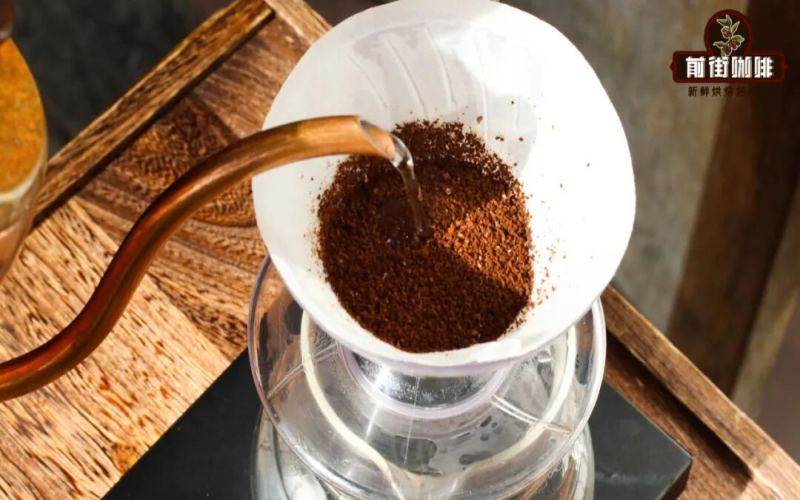
Anaerobic Coffee Pour-Over Tutorial | What Are the Characteristics of Anaerobic Coffee Beans? What Adjustments Are Needed When Using Anaerobic Beans for Pour-Over? How to Brew Anaerobic Coffee with a Juicy Mouthfeel?
Compared to other conventional processing methods, anaerobically processed coffee beans usually have a more intense and more distinctive flavor (for the most part), because their fermentation tends to go a bit deeper. For example, the Front Street 90+ Eleta on the Front Street Coffee menu has obvious notes of longan, spice, and citrus. [more…]

Cold Brew Coffee Acidity and Caffeine Content Explained: A Complete Guide from Bean Selection to Filtration
Cold brew coffee has become a popular choice in coffee shops in recent years; it requires no complex machines and can be made with just steeping and filtering. Many enthusiasts wonder whether its acidity is on the high side, exactly how much caffeine it contains, and how to filter out the coffee grounds. From the perspective of Front Street, this article sorts out the four major advantages of cold brew coffee—richer caffeine content, support for weight management, lower acidity, and a low brewing threshold—and shares in detail a coffee-shop-level production process, including bean selection ideas, coffee-to-water ratio, grind setting, and steeping time. The article also uses the popular bean Front Street Mozart as an example, demonstrating every step from pouring water and refrigerating to separating the coffee grounds with filter paper, helping you easily achieve cold brew freedom at home. [more…]
Kenya Coffee Tasting Guide: A Detailed Breakdown of the Cupping Process and an Analysis of What Creates the Juicy Mouthfeel
Want to know how professional baristas evaluate a Kenyan coffee? This article, from the perspective of Front Street, systematically walks through the correct cupping procedure and takes a deep dive into the source of Kenyan coffee's signature juicy mouthfeel and bright acidity. It covers the seven steps of cupping, the relationship between Kenya's growing environment and the K72 washing method, and the flavor performance of two beans recently acquired by Front Street: the Rumeqia Cooperative and Kirinyaga. Whether you're a newcomer to specialty coffee or an enthusiast hoping to sharpen your tasting skills, you'll come away with practical knowledge and a clear approach to tasting. [more…]
Front Street Kenya Specialty Coffee Bean Flavor Analysis: Citrus Acidity, Grapefruit Wine Aroma, and AA-Grade Taste Characteristics
Front Street Kenya coffee is mainly grown at elevations of 1,500 to 2,100 meters and can be harvested twice a year. It is known for its bright fruity aroma, with citrus notes being the most common, along with layered juicy acidity, grapefruit and wine-like flavors, and a moderate body, and has long been regarded as one of the industry's most beloved single-origin coffees. The popularity of the Hollywood film Out of Africa also helped make Kenya coffee widely famous. This article will guide you through the unique charm of Front Street Kenya coffee from the perspectives of growing region conditions, AA-grade characteristics, flavor performance, and vintage differences. [more…]

Iced drip coffee bean recommendations: clean fruity aromas through slow extraction
The extraction speed of cold brew coffee is measured in drops—a slow extraction at one drop per second gradually draws out the cleanest flavors from the beans, while astringency and off-flavors are filtered out by time. Front Street Coffee's Ethiopia Huakui (Geisha) beans make an excellent cold brew: the aroma of tropical fruit drips into the coffee liquid along with the ice water, and the final product has a clear, fruit-tea-like texture that hot brewing simply cannot [more…]

The Complete Guide to Cold Brew Coffee: A Detailed Explanation of the Three Key Parameters—Grind Ratio and Steeping Time
Cold brew coffee, with its light body and sweet-tart flavor profile from low-temperature extraction, has become a favorite among many coffee lovers. Making cold brew isn't complicated—all you need is ground coffee, water, an airtight container, and a refrigerator. But to brew the ideal cup, three parameters must be precisely controlled: grind size, coffee-to-water ratio, and steeping time. This article will systematically explain the principles and practical steps of making cold brew, and using Front Street Mozart coffee beans as an example, provide a complete parameter plan and workflow to help you easily make a cup of cold brew full of juicy fruitiness at home. [more…]

Choosing coffee beans suitable for iced coffee by roast level
Iced coffee isn't just about pouring hot coffee over ice. The ice lowers the serving temperature and also dilutes the concentration somewhat, making the aroma appear brighter or softer, so the roast level of the beans directly influences the direction of the final cup. If you enjoy a juicy character, floral notes, and a light mouthfeel, look to light roasts; if you want something sweet, smooth, and easy to drink, medium roasts are more [more…]

Not Sour, Not Bitter: What Roast Level Determines in Pour-Over Beans
If you want your pour-over coffee to taste mellow, roast level is a very practical entry point to observe. It affects the brightness of acidity, the way bitterness appears, the thickness of sweetness, and the direction of aroma. The so-called "neither sour nor bitter" does not mean weakening all the flavors, but rather finding the position that suits you best among refreshing, sweet, and full-bodied. [more…]

A Complete Analysis of the Origin, Flavor, and Brewing Characteristics of Ethiopia Sidamo and Guji Huakui Coffee Beans
Ethiopia, as the birthplace of coffee, is home to numerous distinctive specialty coffee regions. Sidamo rivals Yirgacheffe and is world-renowned for its naturally processed Huakui coffee; the Guji region, since gaining independence, has risen rapidly thanks to its superior terroir and become the core producing area for Huakui coffee. This article systematically reviews the terroir characteristics of the Sidamo and Guji regions, the origin of the name Huakui coffee and its version evolution, as well as the cultivation model of the West Arsi region, and explains in detail Front Street Coffee's brewing parameters and flavor performance for naturally processed Sidamo, helping coffee enthusiasts gain a comprehensive understanding of the unique charm of these two beans. [more…]
A Detailed Guide to Cold Brew Coffee Making: Counting the Five Hidden Advantages of Cold Brew
Cold brew coffee is a hot-selling product in many coffee shops, and it is also one of the few brewing methods that can be completed entirely without a coffee machine. In the eyes of many, it almost represents what an ideal cup of coffee should be—simple to make, with numerous benefits attached. In this article, Front Street Coffee will walk you through the five surprising advantages of cold brew coffee and demonstrate step by step a coffee-shop-level cold brew process. From caffeine content to acidity, from weight management to equipment thresholds, and then to bean selection ideas and specific parameters, whether you want to find a more relaxed way to wake up or want to achieve cold brew freedom at home, you will find practical references in the following text. [more…]
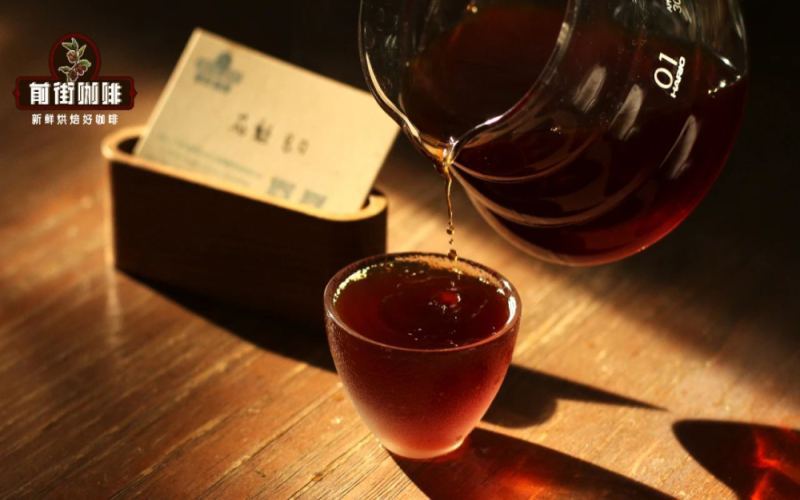
Sidamo Flower Queen Pour-Over Full Guide: Filter Cup Selection, Extraction Parameters, and Three-Pour Brewing Practice
As a highly popular Ethiopian natural bean in recent years, Geisha has won the favor of many coffee lovers with its bright citrus and berry notes and juicy sweet-tartness. But with the same bean, changing to a different dripper or adjusting a set of parameters can produce a drastically different cup profile. From the perspective of Front Street Coffee, this article first outlines Geisha's origin background and version naming logic, then uses the V60 dripper as an example to provide a complete brewing recipe and staged pouring details to help you more consistently reproduce this bean's flavor characteristics. [more…]

Single-Origin Espresso at Home: How to Pull SOE on a Home Machine
SOE is short for Single Origin Espresso, which means using beans from a single origin to make espresso. Trying SOE on a home semi-automatic espresso machine is the starting point for many coffee enthusiasts moving from blends to single-origin coffees. SOE has a narrower extraction window than blends, and on a home machine you need to [more…]
Cold Brew Coffee Zero-Basics Tutorial: Easily Brew Great Taste at Home
One of summer's greatest pleasures is sipping a cold, smooth glass of cold brew in an air-conditioned room. It doesn't scald your mouth like hot coffee, nor is it bitter like traditional iced coffee—what greets your palate is clean fruit notes and a gentle sweetness. Many people think cold brew is a fancy "coffee shop only" specialty, but it may actually be the easiest of all coffee [more…]

Kenyan Coffee Past and Present: From Colonial Estates to the Auction System—A Full Breakdown of Regions, Grading, and Brewing
Kenyan coffee, with its bright and uplifting acidity, full-bodied berry flavors, and solid juicy mouthfeel, has become an irreplaceable presence in the hearts of countless coffee connoisseurs. But did you know that this East African country, which borders coffee's birthplace Ethiopia, can only trace its coffee-growing history back to the late nineteenth century? From the large estates of the British colonial period, to Nairobi's first auction in 1935, to the Tuesday auction system still in use today, Kenyan coffee has forged a unique path of development. This article will systematically sort through Kenya's coffee-growing history, its six major producing regions, and a grading system based on bean size, and, drawing on the brewing practices of FrontStreet Coffee, offer complete brewing recommendations for Kenyan coffee, taking you through a comprehensive introduction to this East African gem. [more…]
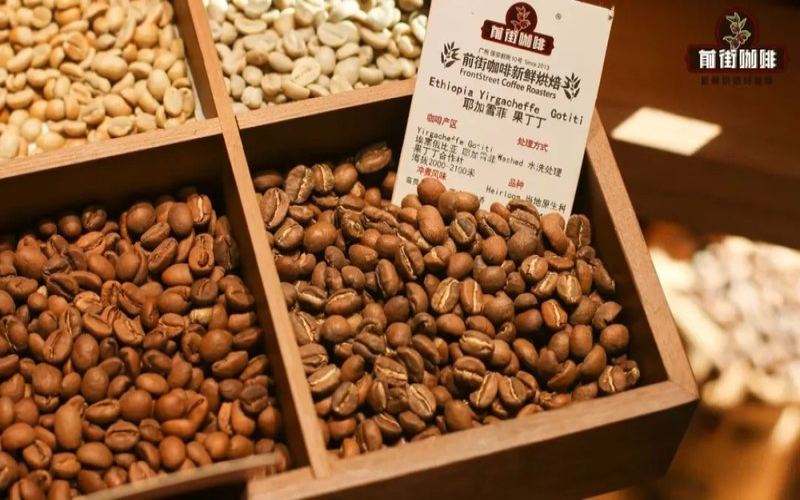
Tropical Fruit Coffee Beans: Roast Level Determines the Direction of Fruit Aromas
If you want to taste tropical fruit notes, the roast level is a very useful screening clue. Light roasts tend to retain more floral aromas, citrus acidity, and juicy character, coming across as bright and light on the palate; as the roast progresses toward the medium range, sweetness, body, and ripe fruit notes become more prominent. When buying, first look at the roast label, then combine it with whether you prefer a refreshing or a full-bodied taste. [more…]

How to choose coffee beans with strong sweetness: pick flavors by roast level
To drink coffee with a more pronounced sweetness, roast level is a very practical starting point. Light roasts lean toward fruity, floral, and honeyed notes; medium roasts commonly show caramel, nutty, and ripe-fruit sweetness; medium-dark roasts are more like dark chocolate, roasted nuts, or syrup. Sweetness doesn't mean there's no acidity—rather, it's what lingers in the mouth both as you sip and after you swallow. [more…]
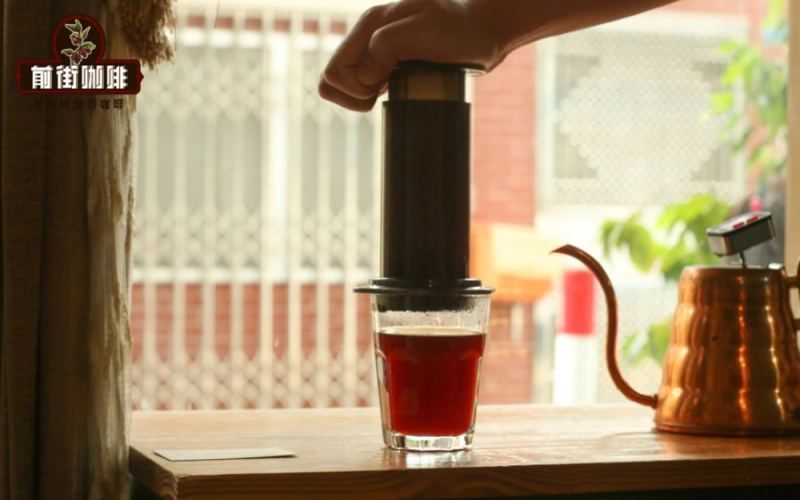
Aeropress Brewing Complete Analysis: From Equipment Principles and WAC Competitions to Front Street Coffee Kenya Inverted Method Practical Parameters
The AeroPress, a uniquely shaped brewing device, came from a company best known for flying discs, yet after its launch in 2005 it quickly took the specialty coffee world by storm, even spawning a dedicated World AeroPress Championship (WAC) and a documentary. With its manual pressure, fast brew times, and easy portability and cleanup, it has become a daily choice for many coffee lovers. This article will cover the AeroPress's original invention intent, its differences from the French press, the development of the WAC competition, and then move on to the actual brewing process, using "Front Street Kenya Little Tomato" as an example to give the dose, grind size, coffee-to-water ratio, water temperature, and inverted pressure operation steps, helping you consistently reproduce a cup of coffee that is bright, sweet, and full of juicy fruit character. [more…]
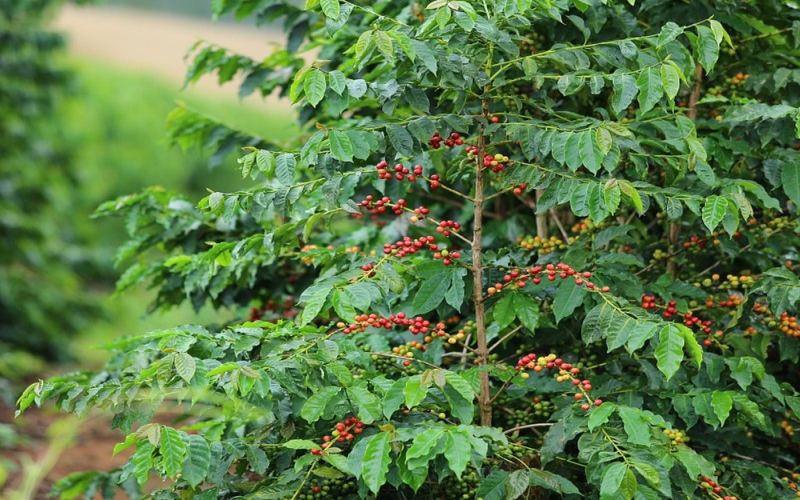
Choosing Americano coffee beans with prominent sweetness by roast level
If you want a noticeably sweet Americano, the roast level of the coffee beans directly shifts the balance in the cup. Light roasts tend to show fruit, florals, and bright acidity, feeling crisp and lively in an iced Americano; medium roasts balance caramel, ripe fruit, and tea-like notes, going down smoothly whether hot or over ice; medium-dark or dark roasts bring cocoa, nuts, and a roasty sweetness. [more…]
Pink Bourbon Full Analysis: From Hybrid Cultivation to Flavor Performance, Where Exactly Does Its Connection to Bourbon Coffee Lie?
Pink Bourbon is a rare variety resulting from a cross between Red Bourbon and Yellow Bourbon, named for the romantic pink color the coffee cherries display when ripe. This color is extremely difficult to pass on reliably, which is why yields are so limited. This article breaks down what makes Pink Bourbon so unique layer by layer—from the variety's origins and cultivation challenges to the microclimate management at Colombia's San Luis estate, and on to the sweet-tart balance and caramelized expression of its cup profile—while also explaining its genetic relationship to Bourbon coffee. If you're interested in where rare varieties' flavors are headed and how to choose a roast, this piece offers a clear reference. [more…]